
Understanding your knee condition is an important first step toward finding the right treatment. Dr. Joshua M. Hickman provides specialized care for a wide range of knee conditions, from arthritis and cartilage problems to sports injuries and ligament damage. He offers both nonsurgical and surgical treatment options, including minimally invasive and robotic-assisted knee replacement procedures, based on your condition, symptoms, and individual needs.
Explore the information below to learn more about knee anatomy, common conditions, and available treatment options.
-
Dr. Hickman Introduction
-
Arthritis of the Knee
-
Recovery Period for Joint Replacement (General)
-
Knee Replacement Recovery
-
Physical Therapy and Postop Pain Management
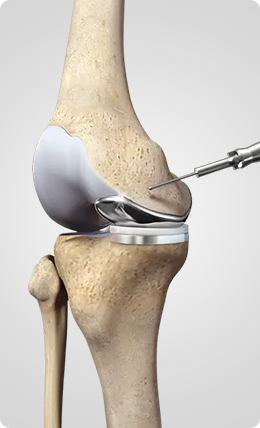
Mako robotic-arm assisted technology combines advanced 3D imaging and personalized surgical planning with the expertise of an orthopedic surgeon. A CT scan can be used to create a 3D model of the patient's knee, helping the surgeon develop an individualized plan for implant positioning and bone preparation. During surgery, the surgeon guides the robotic arm according to the personalized plan.
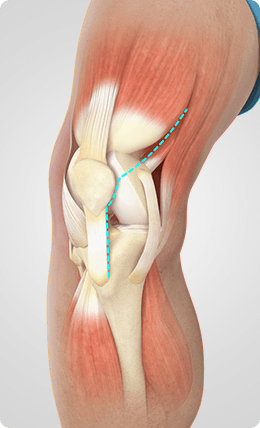
Minimally invasive knee replacement uses smaller incisions and techniques designed to minimize disruption to the surrounding soft tissues compared with traditional knee replacement approaches. In appropriately selected patients, this approach (Such as the Subvastus “jiffy Knee” approach) may help support a more comfortable recovery, reduce postoperative discomfort, and allow patients to return to everyday activities sooner.
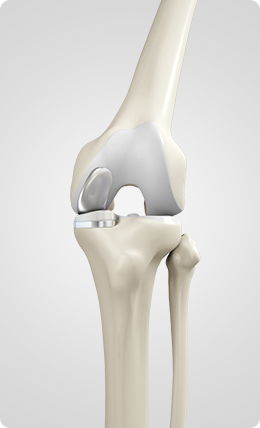
Patients with knee arthritis limited to one compartment of the knee may be candidates for unicompartmental knee replacement, also known as partial knee replacement. Dr. Joshua Hickman provides specialized knee replacement care for patients in all of the intermountain west and Utah including Bountiful, Layton, and surrounding Northern Utah communities.
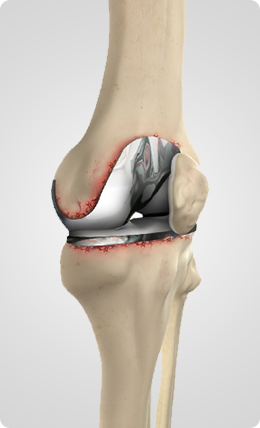
Revision knee replacement involves removing and replacing part or all of a previous knee prosthesis. Depending on the reason for the failed or problematic knee replacement, treatment may involve addressing implant wear, loosening, infection, instability, bone loss, fracture, or other complications. Because revision surgery can be more complex than an initial knee replacement, careful evaluation and individualized surgical planning are important.
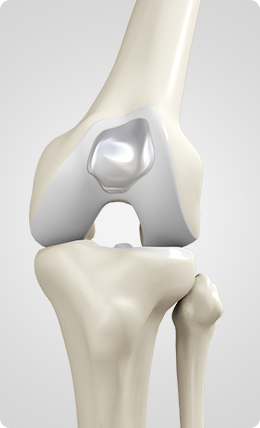
Patellofemoral knee replacement is a partial knee replacement procedure designed to treat arthritis limited to the area where the kneecap meets the femur. Unlike total knee replacement, this approach can preserve healthy portions of the knee and the ACL and PCL when appropriate. Robotic-assisted planning may also be used to help customize implant positioning based on the patient's knee anatomy.
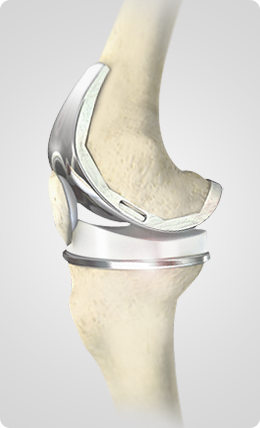
Knee replacement can help relieve persistent pain and improve mobility when arthritis or severe joint damage makes everyday activities difficult. Understanding the knee replacement timeline can help you know what to expect before, during, and after surgery. While recovery varies from person to person, most patients progress through several stages, including...